Two good methods, two different jobs. A practical comparison on durability, cost at quantity, fabric limits and how your logo actually reproduces in each.
Clients usually arrive with a method already in mind, picked up from whatever they had last time. Both embroidery and print are right — for different garments, quantities and logos. Here is how we actually decide.
Embroidery: durability and standing
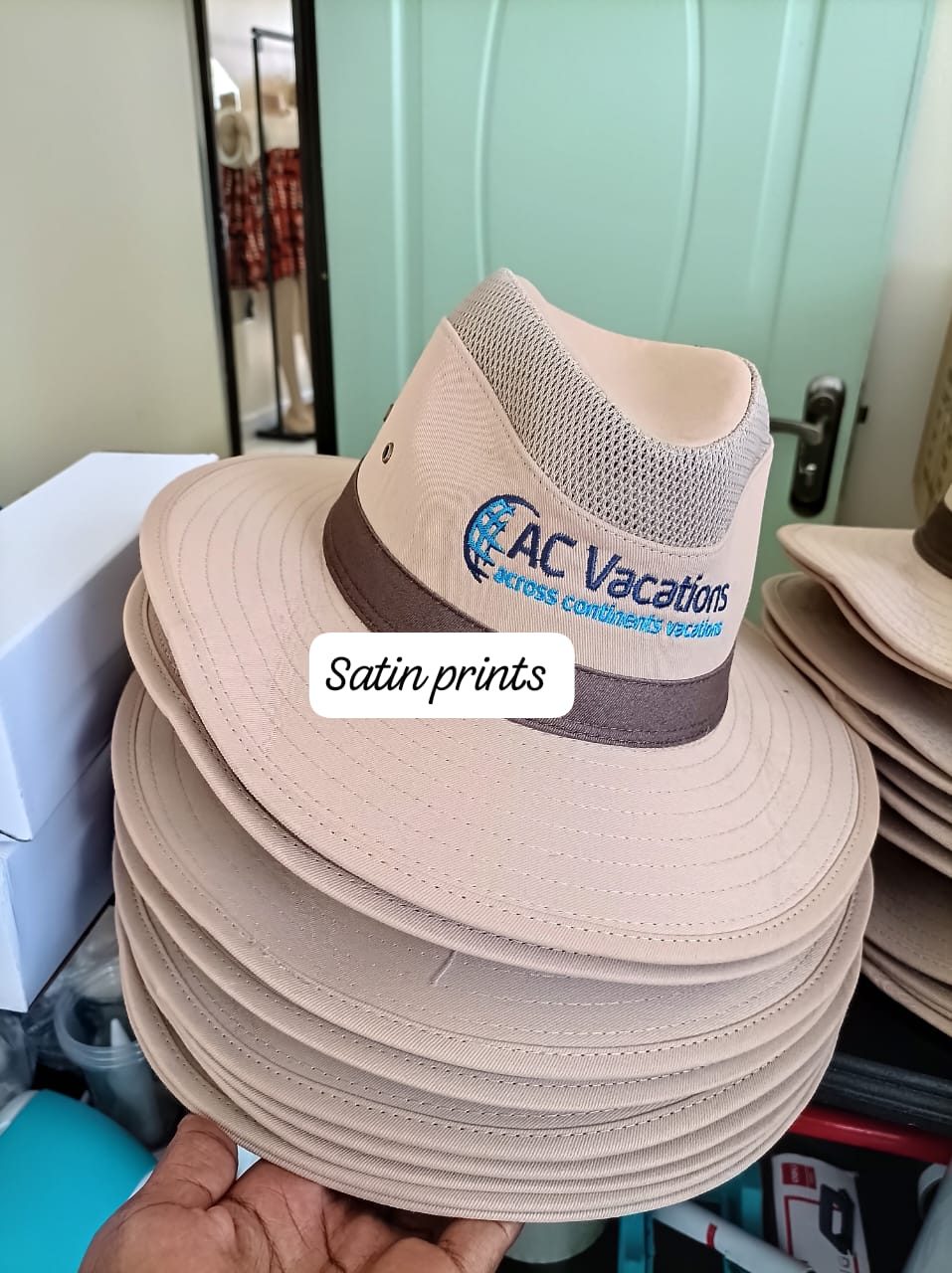
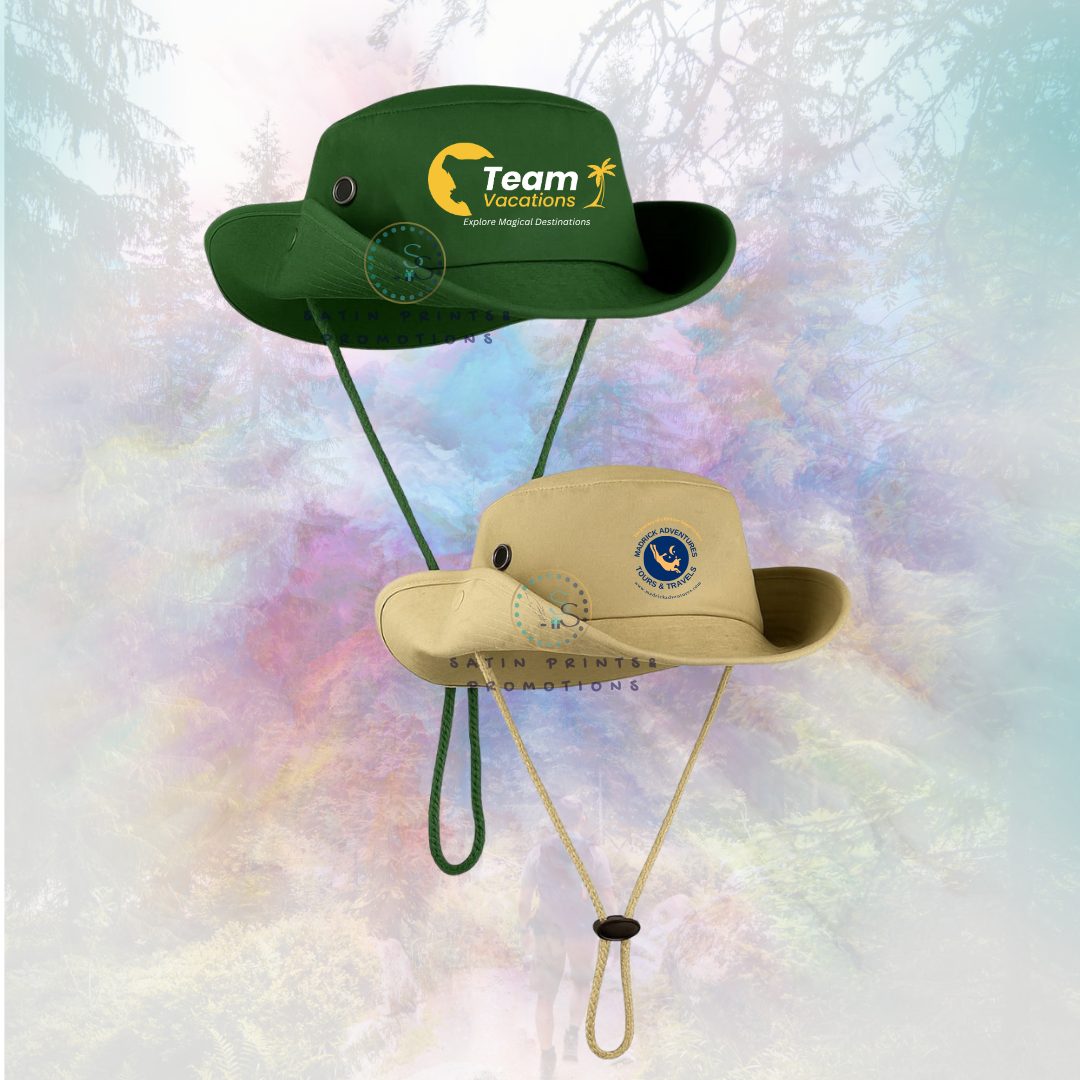
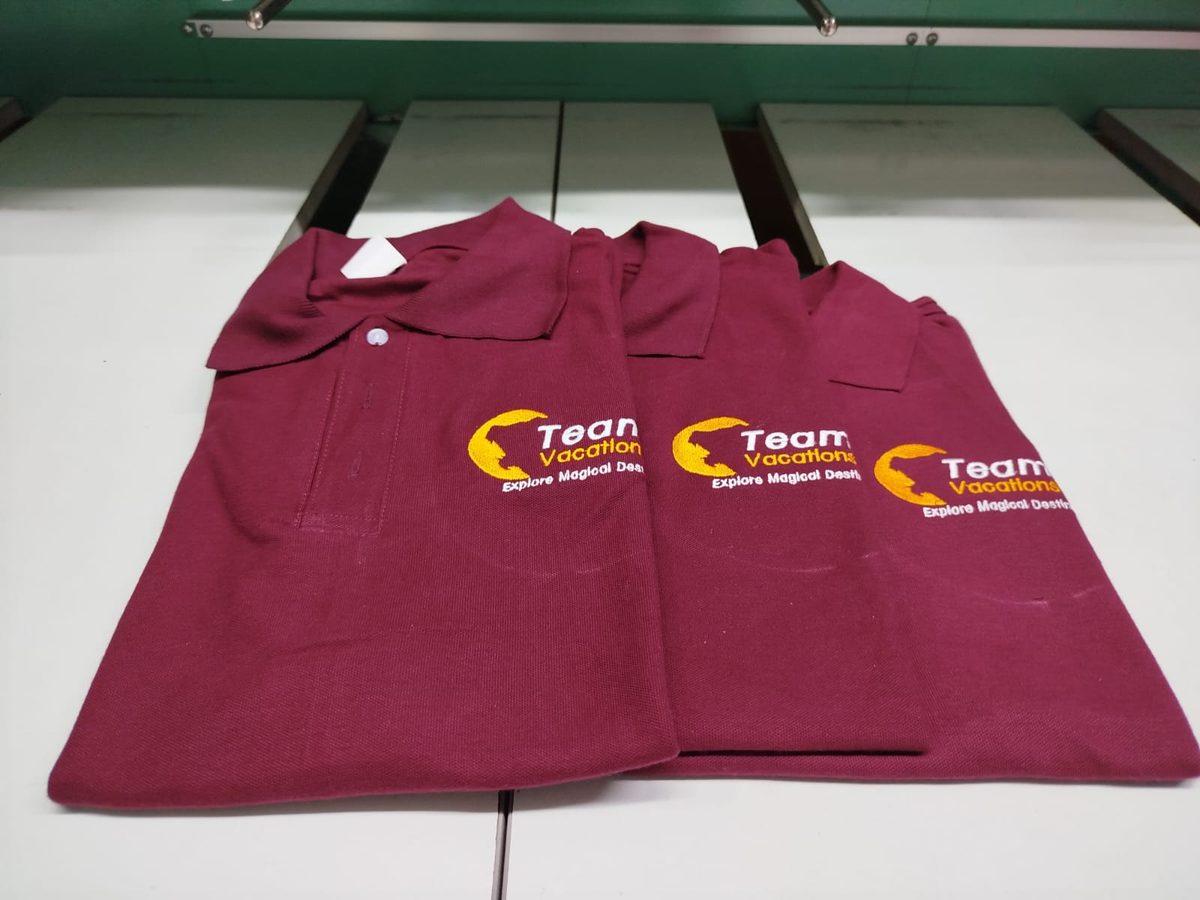
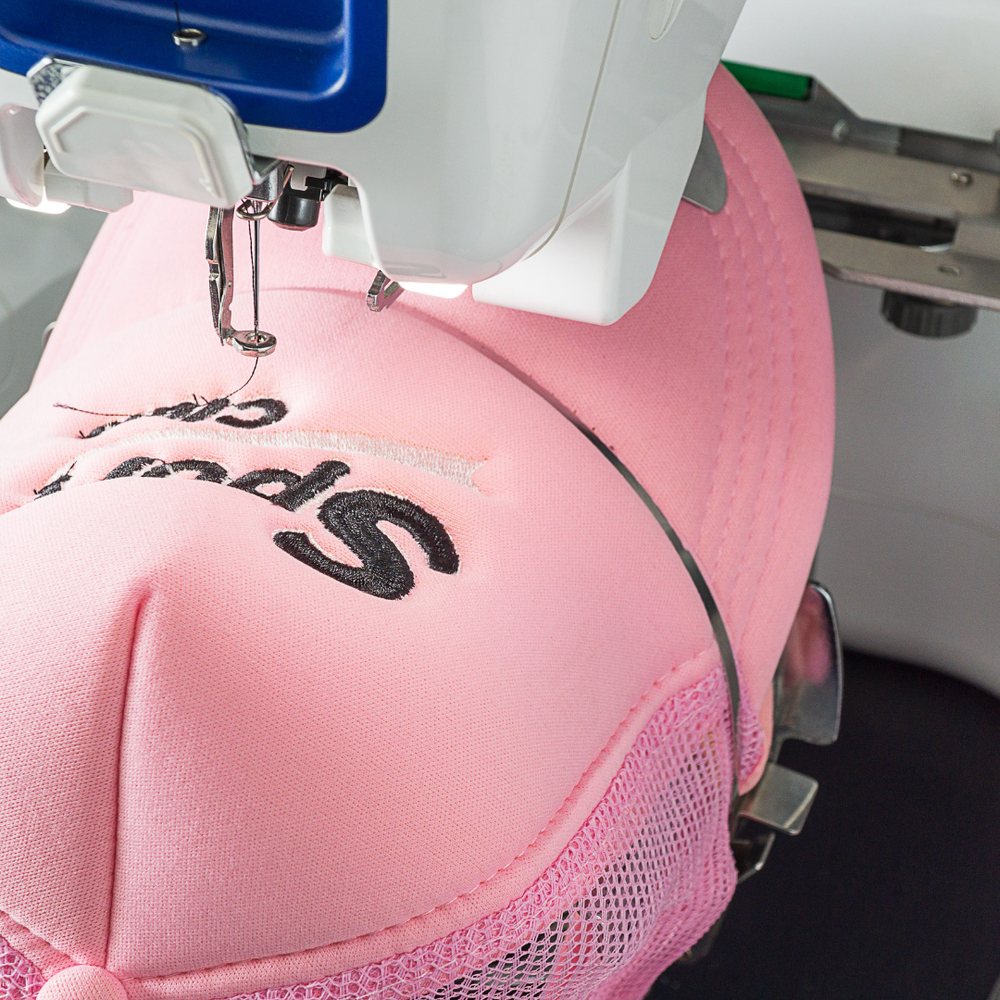
Stitched thread outlasts the garment. It survives industrial washing, does not crack or fade, and reads as more formal — which is why polos, shirts, caps, jackets and aprons are almost always embroidered. If the uniform is worn daily for a year or more, embroidery is the cheaper choice over the garment's life even though it costs more up front.
Its limits are about detail and surface. Thread cannot hold very fine lines, small text under roughly 5mm, tight gradients or photographic detail. It also adds stiffness, so it belongs on a chest, sleeve or cap front rather than across a whole back. And it needs a one-time digitising step, where your logo is converted into a stitch path — a setup cost that is trivially small once spread across fifty garments and annoying across five.
Print: colour and scale
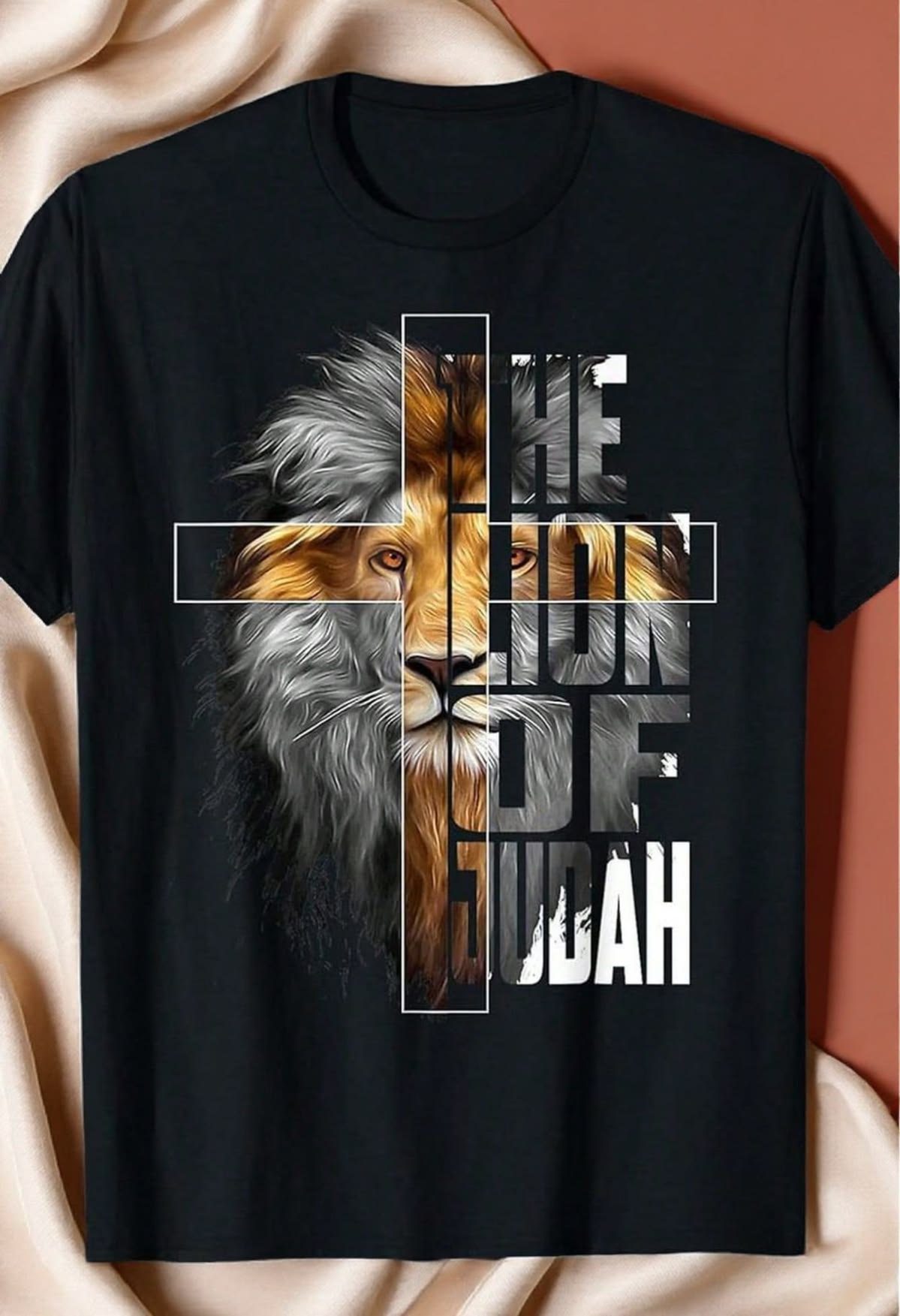
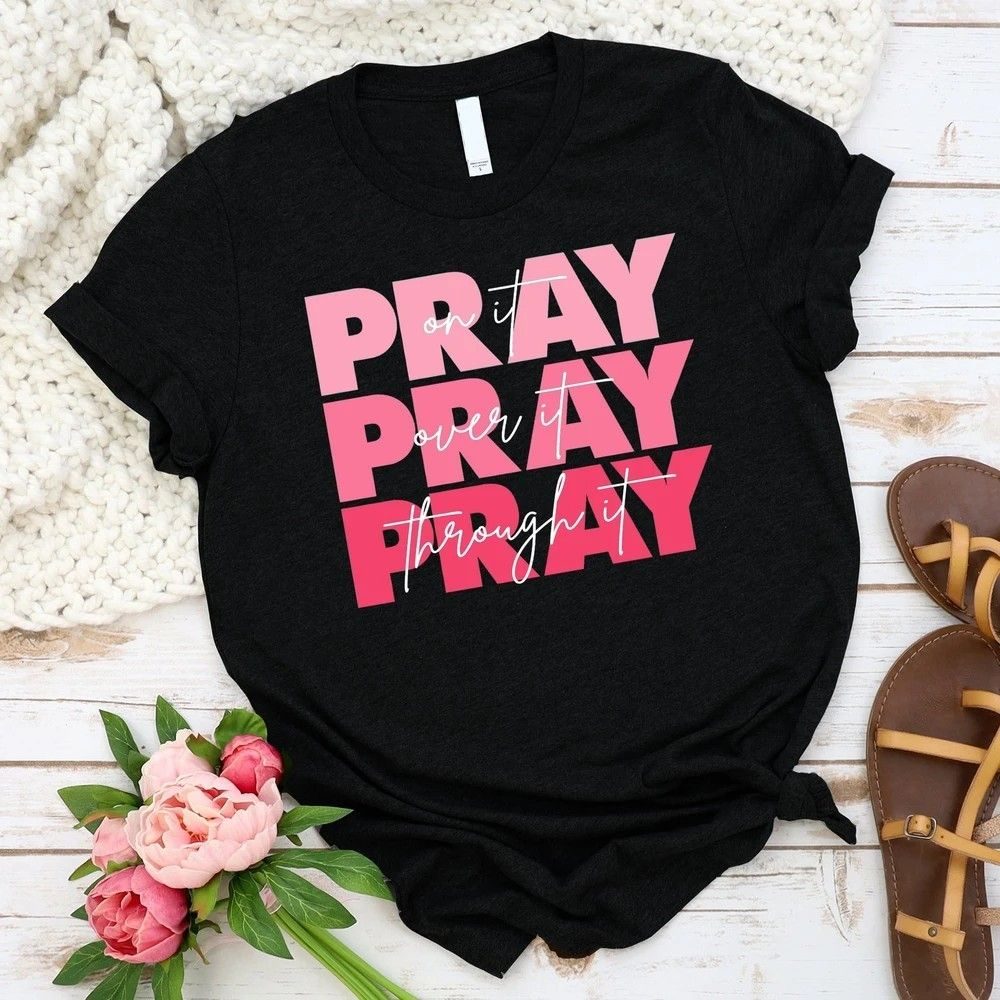
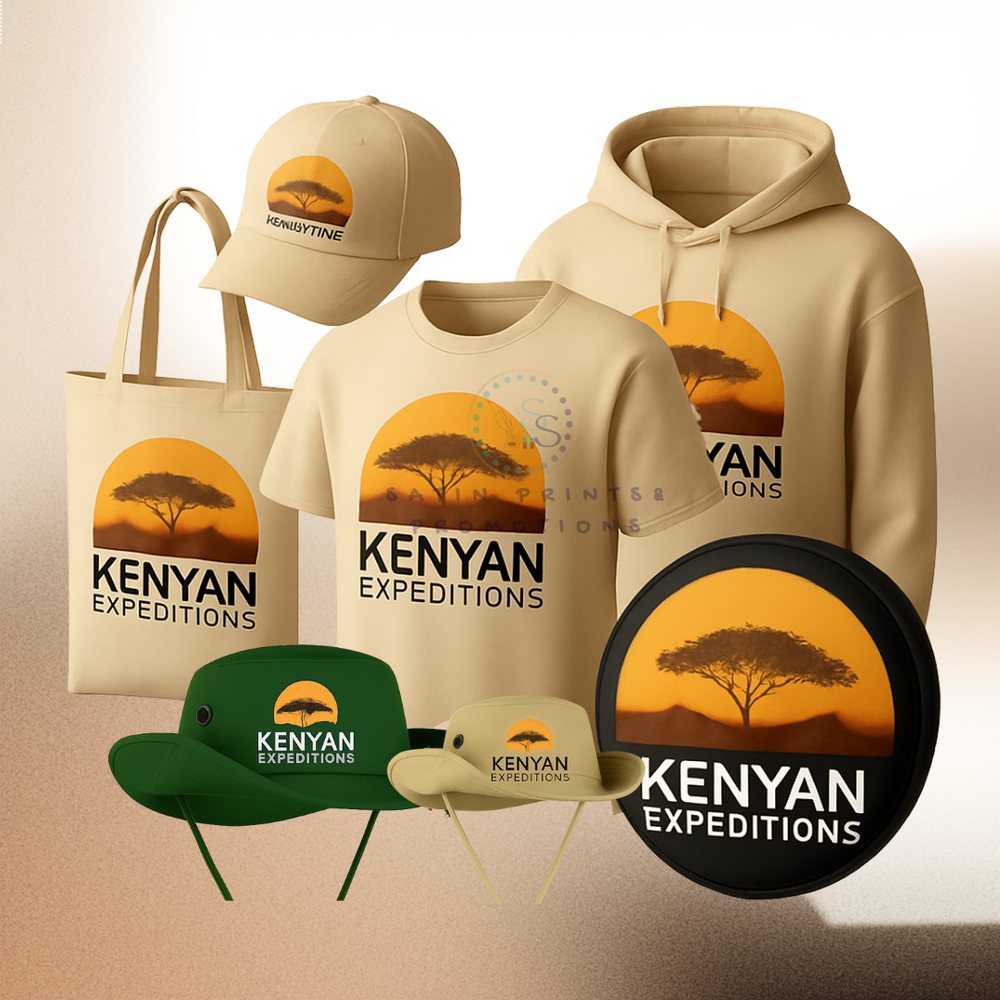
Printing handles what thread cannot: full-colour artwork, gradients, photographs, fine text and large designs covering a chest or back. It adds no stiffness and no weight. For t-shirts, event kit, promotional runs and anything where the design is the point rather than a discreet mark, print is the answer.
The trade-off is lifespan. A good print on good fabric, washed inside out in cool water, lasts a long time; the same print through a hot industrial wash twice a week will show it. Screen printing is the most durable and gets cheaper per unit as quantity climbs, but each colour is a separate screen, so it suits few colours and many garments. DTF and transfer printing handle full colour and small quantities with no screen setup, at a higher unit cost.
How we decide, in order
- 1
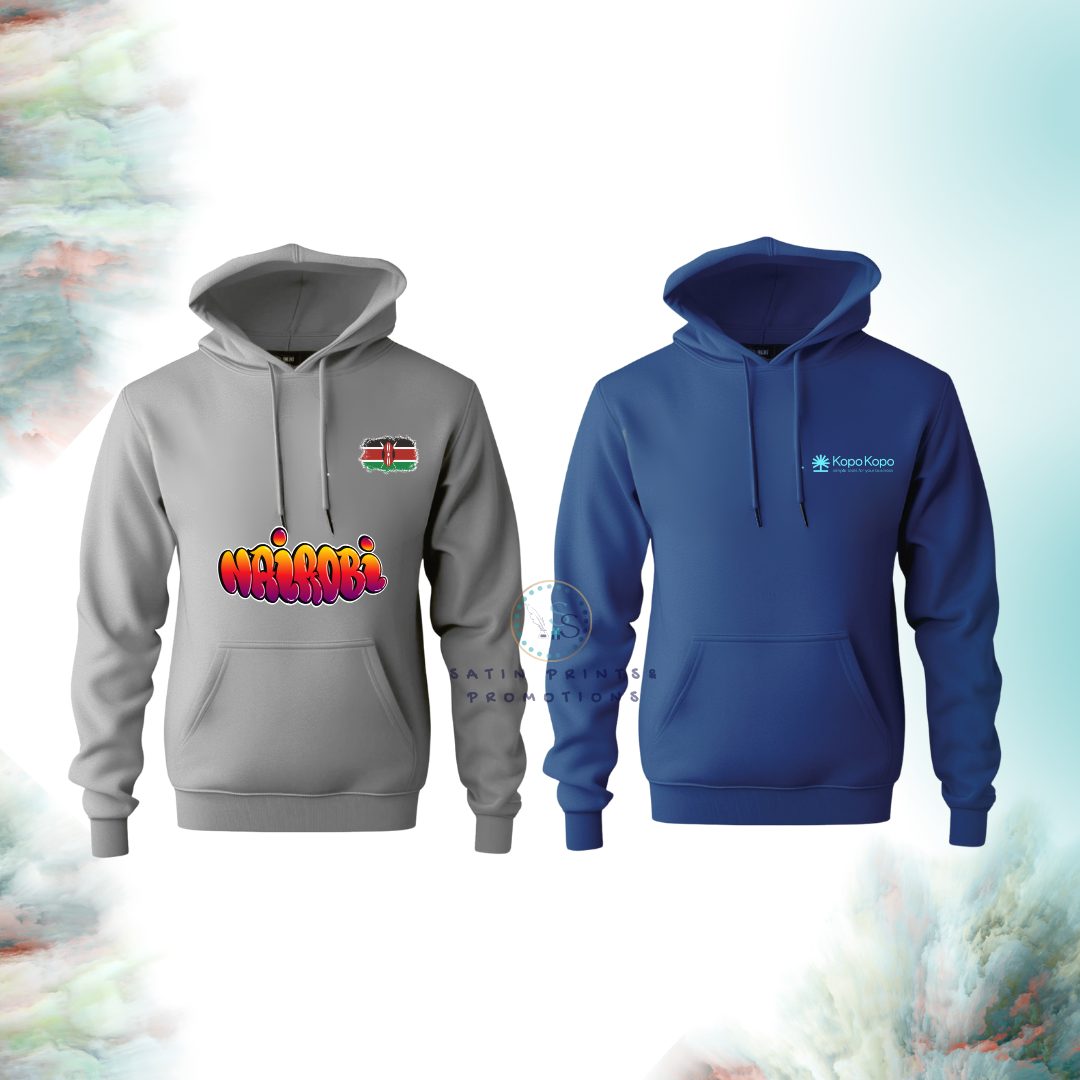
What garment is it? Caps, polos, shirts, jackets and aprons lean embroidery. T-shirts and hoodies can go either way.
- 2
How long must it last? Daily-wear uniform points to embroidery; season or event kit points to print.
- 3
How complex is the logo? Gradients, photographs or text below 5mm rule out embroidery as-is.
- 4
How many? Under twenty favours DTF or embroidery; over a hundred in few colours favours screen printing.
- 5
How formal should it read? A small stitched mark reads more corporate than a print of the same size.
The combination nobody asks for
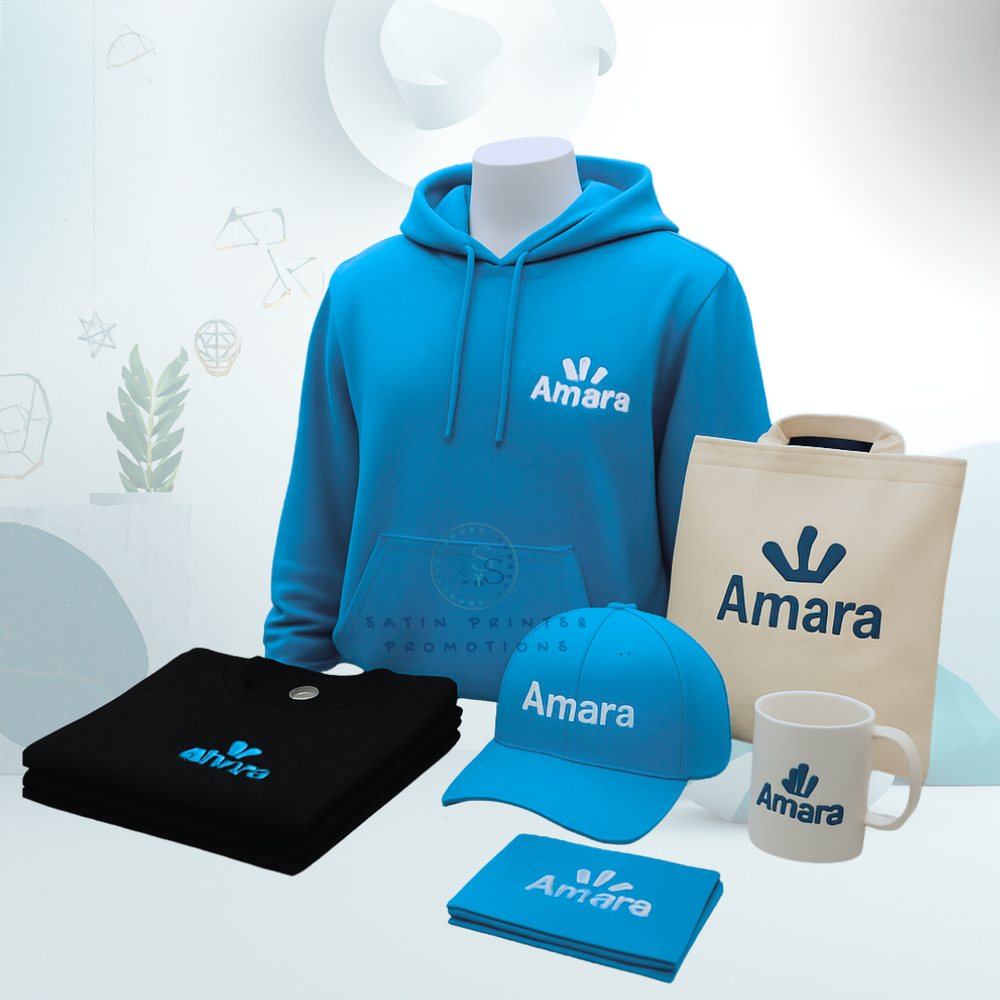
You can use both on the same order, and often should: an embroidered logo on the chest for everyday standing, a printed design on the back for the campaign or the event. We run both in-house, so it is one job rather than two suppliers.
Two things to settle before production
Sizes, collected from actual people rather than estimated from a headcount — the reorder for wrong sizes costs more than the original saving. And a single sewn-out or printed sample, approved in the hand, before we run the rest. On embroidery especially, a logo can look correct on screen and read badly in thread; the sample is where you find that out cheaply.
Shop Branded Apparel & Embroidery
Stitched and printed kit that lasts past the event.