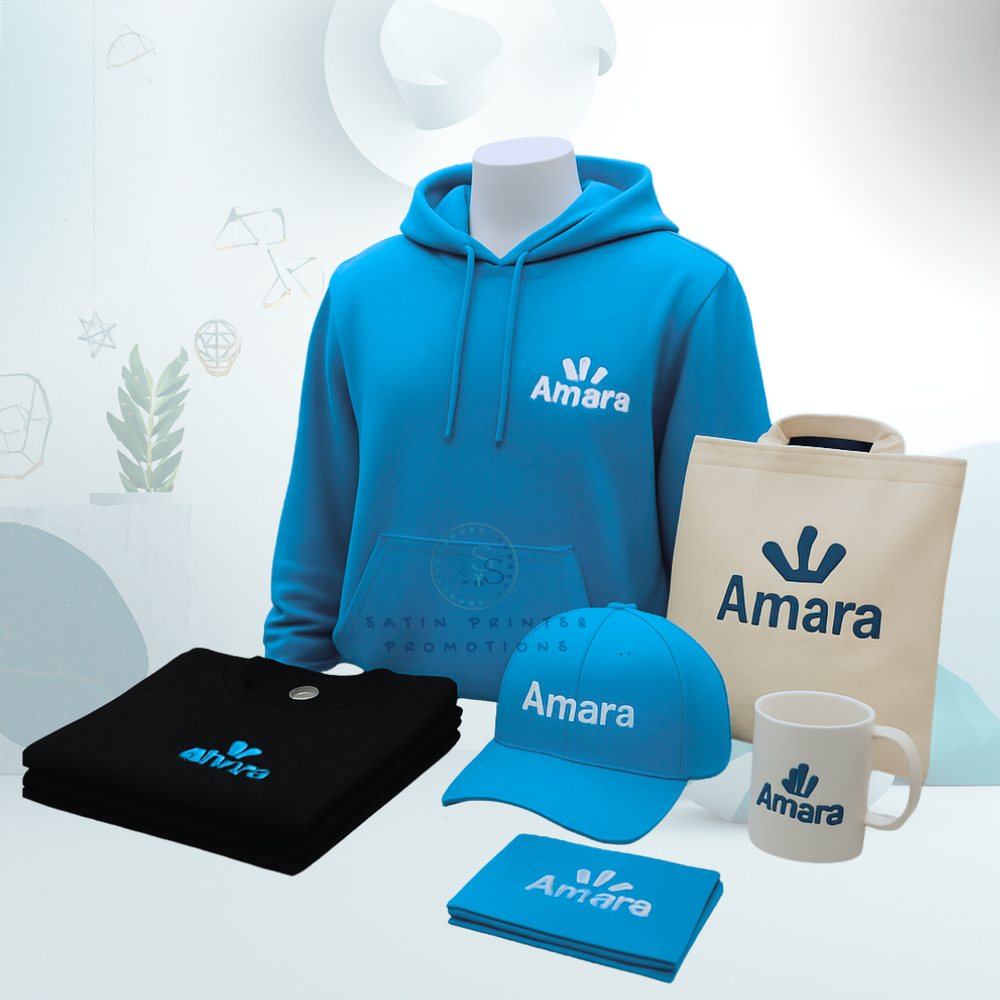

After a decade of branded gifts leaving our workshop, a clear pattern has emerged in what survives past January — and what goes straight into a drawer.
The purpose of a corporate gift is not to be received. It is to be used, in public, for a year. That single reframing kills most of the catalogue. A gift that lives in a drawer cost you money and bought you one polite thank-you.
The things that survive
Across the orders we produce, the items that come back for repeat runs share three traits: they are used daily, they are used where other people can see them, and they are good enough that the recipient would have bought one.
Insulated tumblers and thermal flasks — used every single working day, and the one item recipients ask us to replace when it is lost
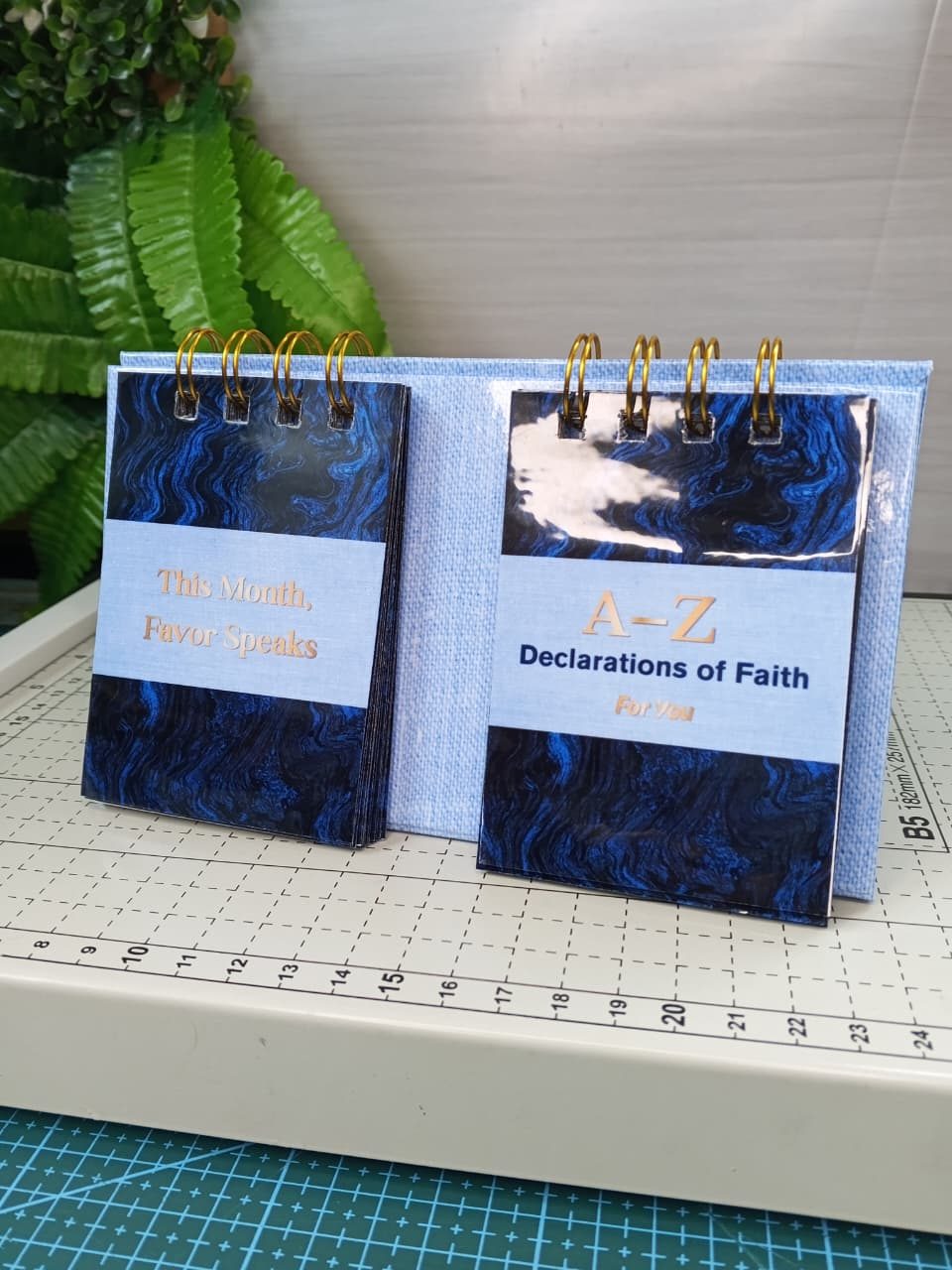
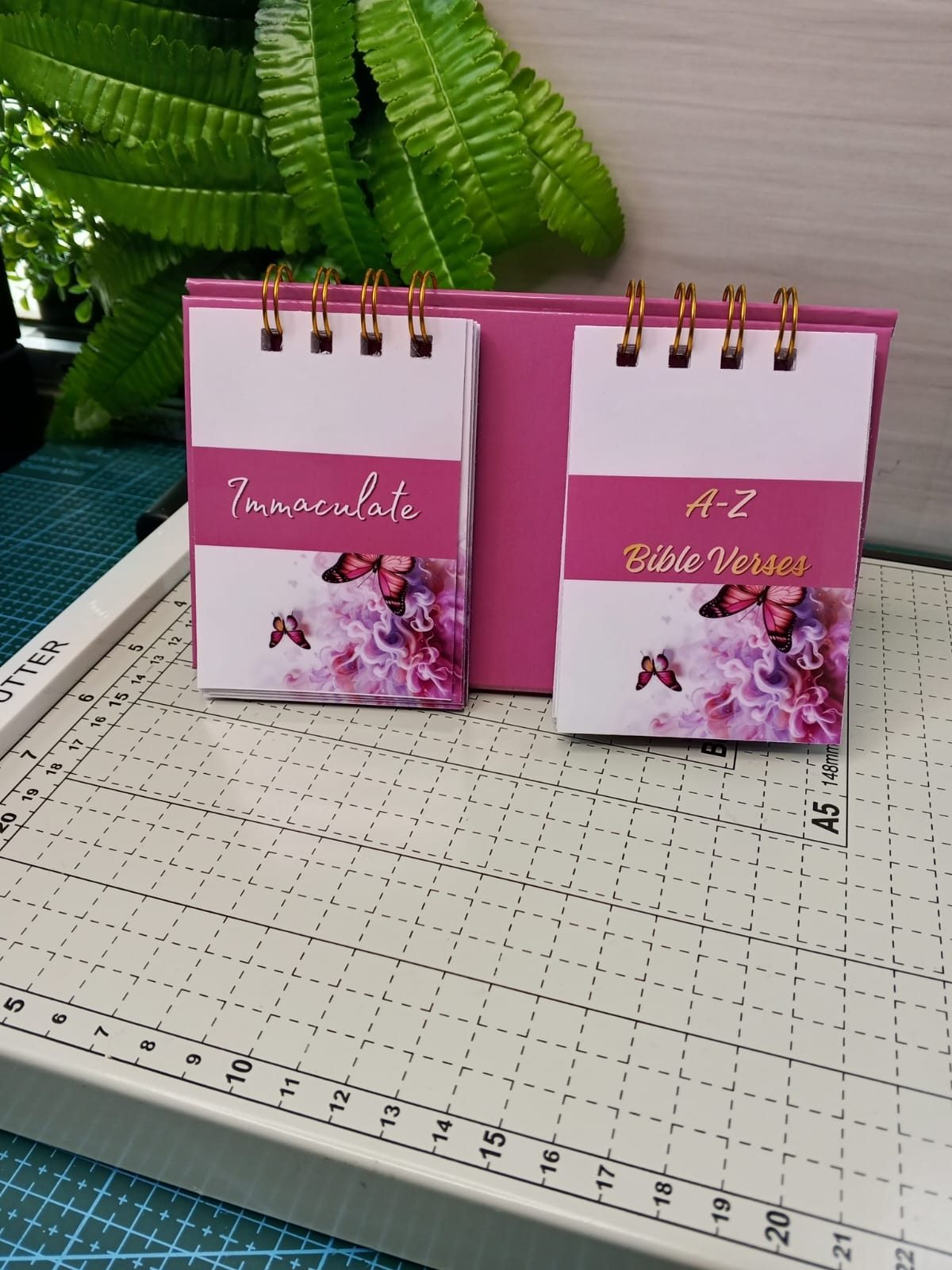
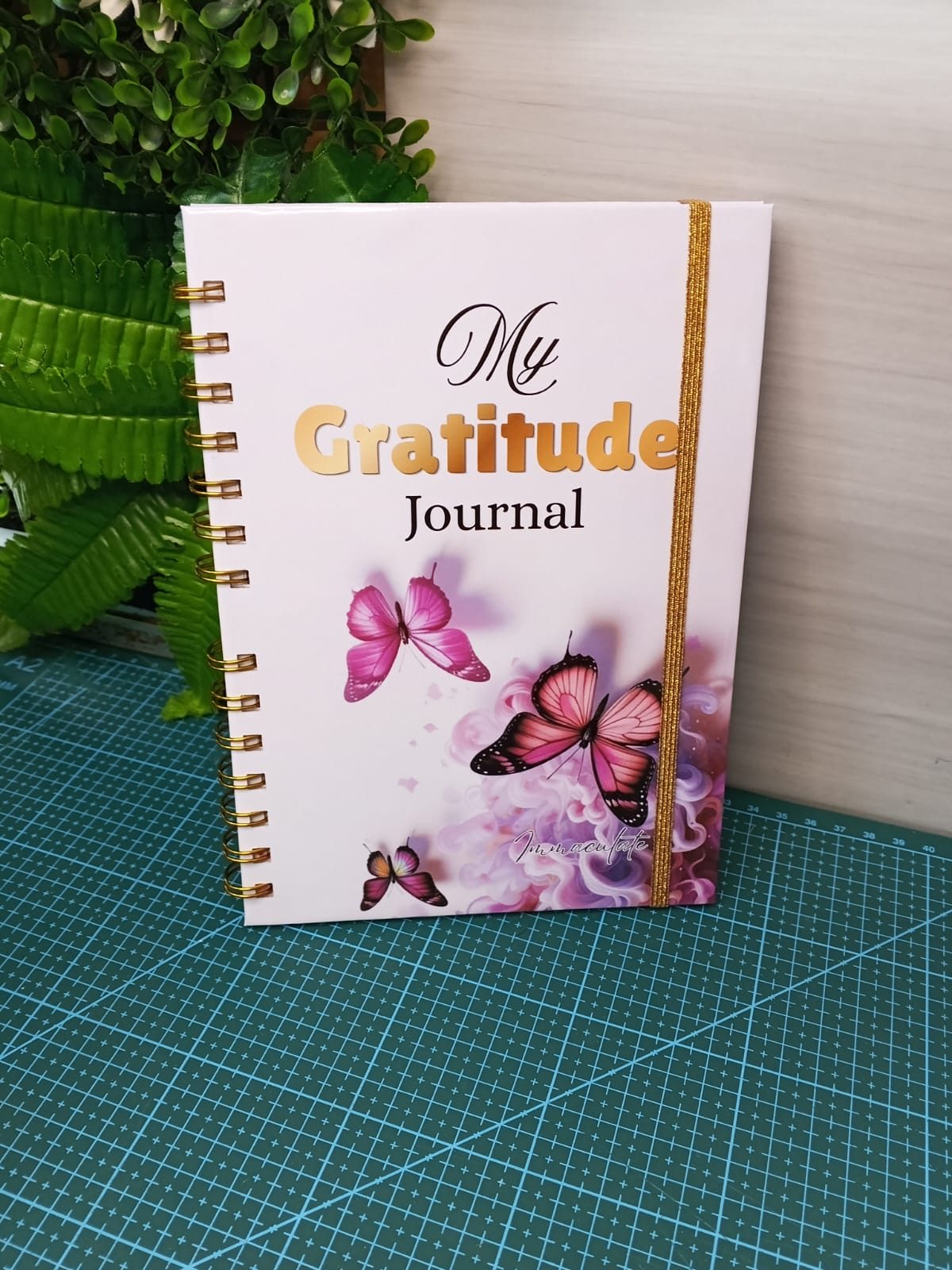
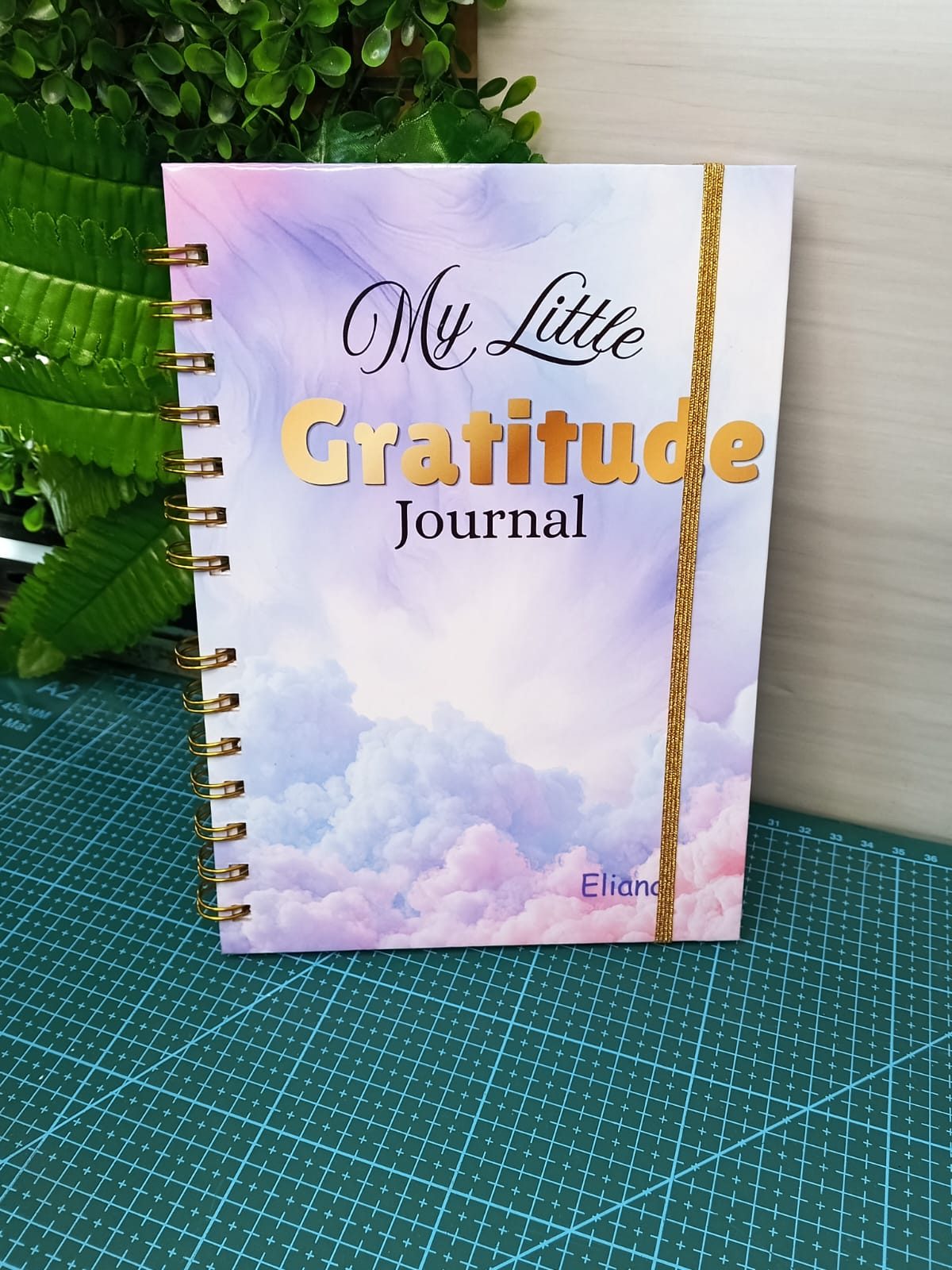
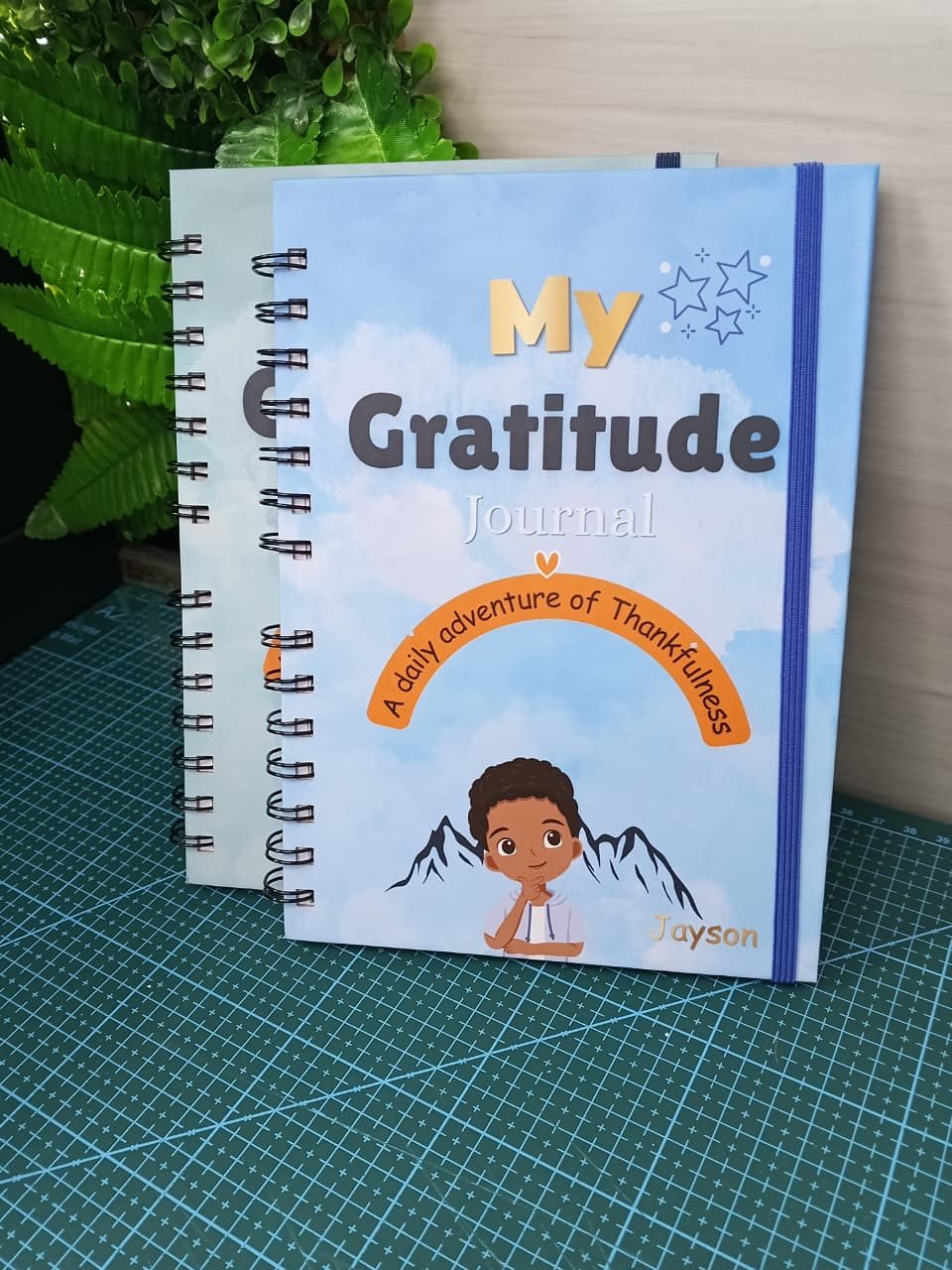
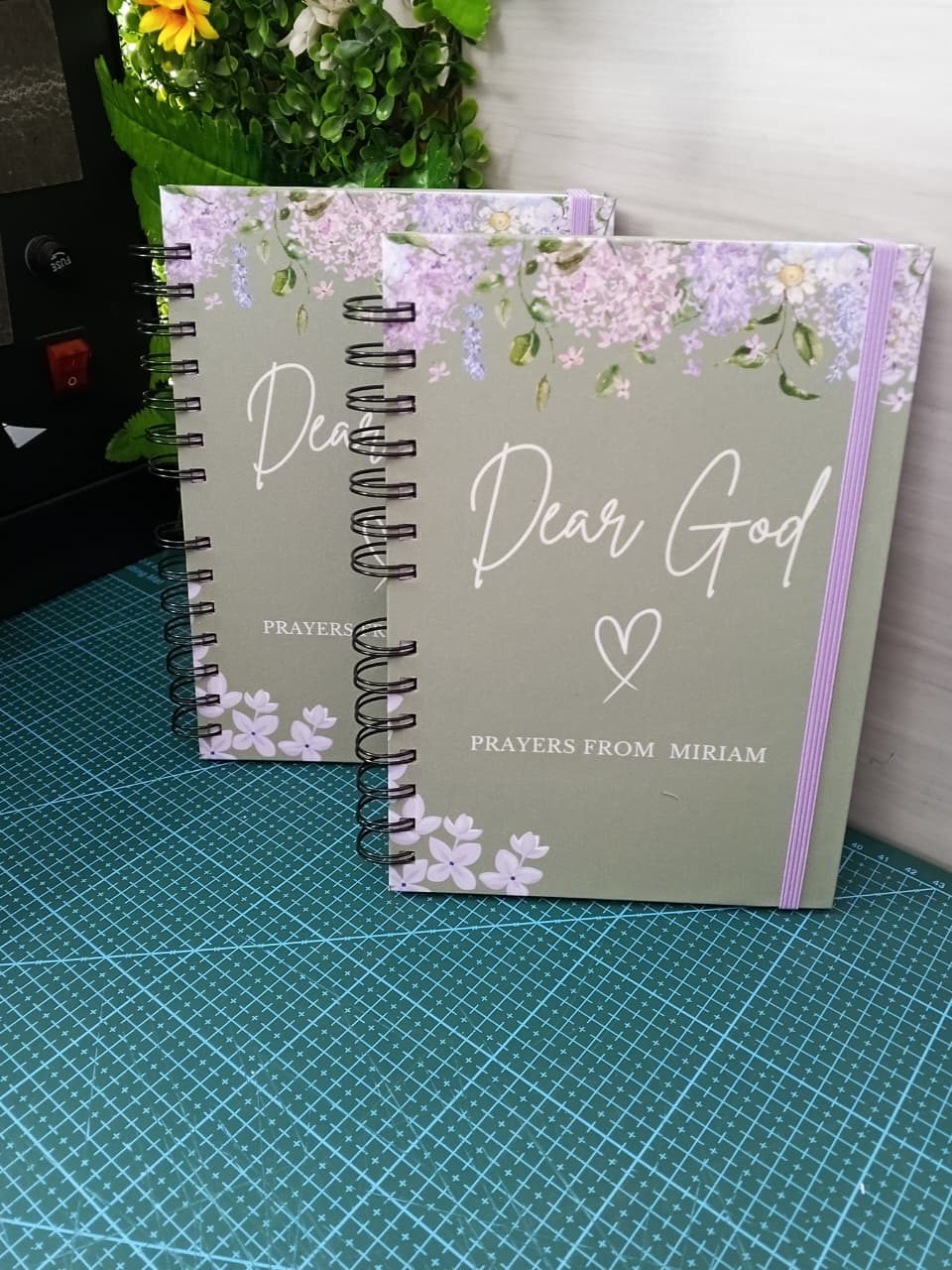
A genuinely good notebook — the paper weight is what decides whether it gets used or shelved
Power banks and multi-cable chargers — kept because losing one is a real inconvenience
Jute and canvas totes — quietly the highest-visibility item we make, because they leave the office
Fleece blankets — the gift that ends up on a sofa at home, which is a room your logo rarely reaches
The things that do not
Thin plastic pens. Keyrings with nothing on the ring. Desk gadgets with a single function. Anything where the branding is larger than the product's usefulness. These are not bad products; they are gifts chosen on unit price, and unit price is the wrong axis.
The arithmetic is worth doing honestly. Two hundred items at KSh 150 that get discarded is KSh 30,000 for nothing. Fifty items at KSh 1,200 that get used daily for two years is KSh 60,000 for roughly thirty-six thousand impressions. Fewer, better, is almost always the stronger buy.
Make the branding quieter than you want to
This is the hardest advice to sell internally. A logo covering the whole face of a tumbler reads as merchandise; a small, well-placed mark reads as a good tumbler that happens to be yours. The second one gets carried into client meetings. Ask for the smallest mark you can live with, in one colour, placed where a hand does not cover it.
Segment the list
One gift for everyone is the most common mistake in the brief. The needs are genuinely different, and pretending otherwise means either overspending on the many or underspending on the few who matter most.
- 1
Staff: comfort and daily use. Apparel, drinkware, a good journal. Sizes collected in advance, not guessed.
- 2
Clients: quality over quantity. A hamper or an executive set, packed properly, with a card that is not a form letter.
- 3
Event attendees: light, cheap to ship, genuinely useful. Totes, notebooks, wristbands, stickers.
- 4
The handful of relationships that carry the business: something you would be happy to be given yourself.
Order in September, not December
Every year the same compression happens. From late October, stock on the popular tumblers and flasks thins out, embroidery queues lengthen, and colourways stop being negotiable. Orders placed in September get the full range at the full set of options. Orders placed in the second week of December get whatever is in the warehouse.
Pack it like it matters
Presentation is the cheapest upgrade available. The same flask handed over in a printed box with tissue and a hand-signed card reads as roughly twice the gift. We pack hampers and gift sets in-house, so ask for the packaging in the same conversation as the product — retrofitting it later is always more expensive.
If you take one thing from this: pick something you would be pleased to receive, brand it lightly, and order it early.
Shop Corporate Gifts & Hampers
Gifting that carries your name well.