Peeling labels and smudged batch codes are material problems, not printing problems. A short guide to picking the right stock before you print a thousand of them.
A label has to survive three separate ordeals: being applied, being shipped, and being used by a customer who has wet hands. Most label complaints we see trace back to a stock chosen on price before anybody asked what the product goes through.
Start with the container, not the design
Adhesive behaves differently on different surfaces. Smooth glass and rigid PET are easy. Textured HDPE, squeezable tubes and powder-coated metal are not. Curved surfaces with a tight radius — think a lip balm tube — need a smaller label or a wrap designed to overlap, or the corners will lift within a week.
Send us the actual container, or a photograph with dimensions. We will apply a test label to it before committing the run. This step takes a day and prevents the most expensive kind of reprint.
Then ask what the product endures
Refrigerated or frozen: needs a cold-apply adhesive; standard stock loses grip as it chills
Wet use — bathroom, kitchen, drinks: synthetic stock, not paper, with a laminate over the ink
Oily contents such as balms and cooking oils: oil creeps under paper stock and lifts the print
Outdoor or sun-exposed: UV-stable inks, or the reds and purples fade first
Handled constantly: a matte laminate hides fingerprints that gloss shows off
Paper, synthetic, or clear
Paper stock is the cheapest and looks warm and natural — the right call for dry goods, soap boxes, candles and anything with a craft aesthetic. It is the wrong call for anything that meets water.
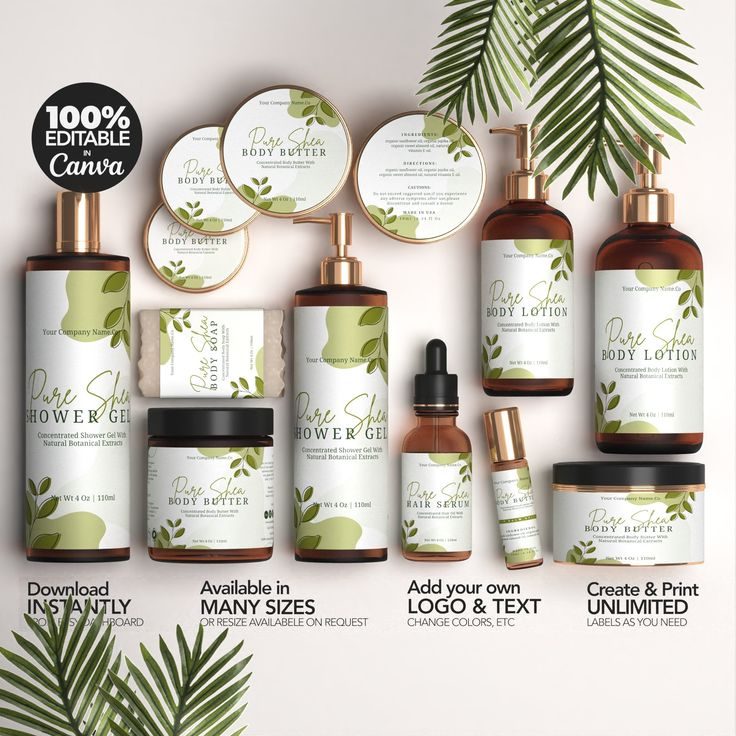
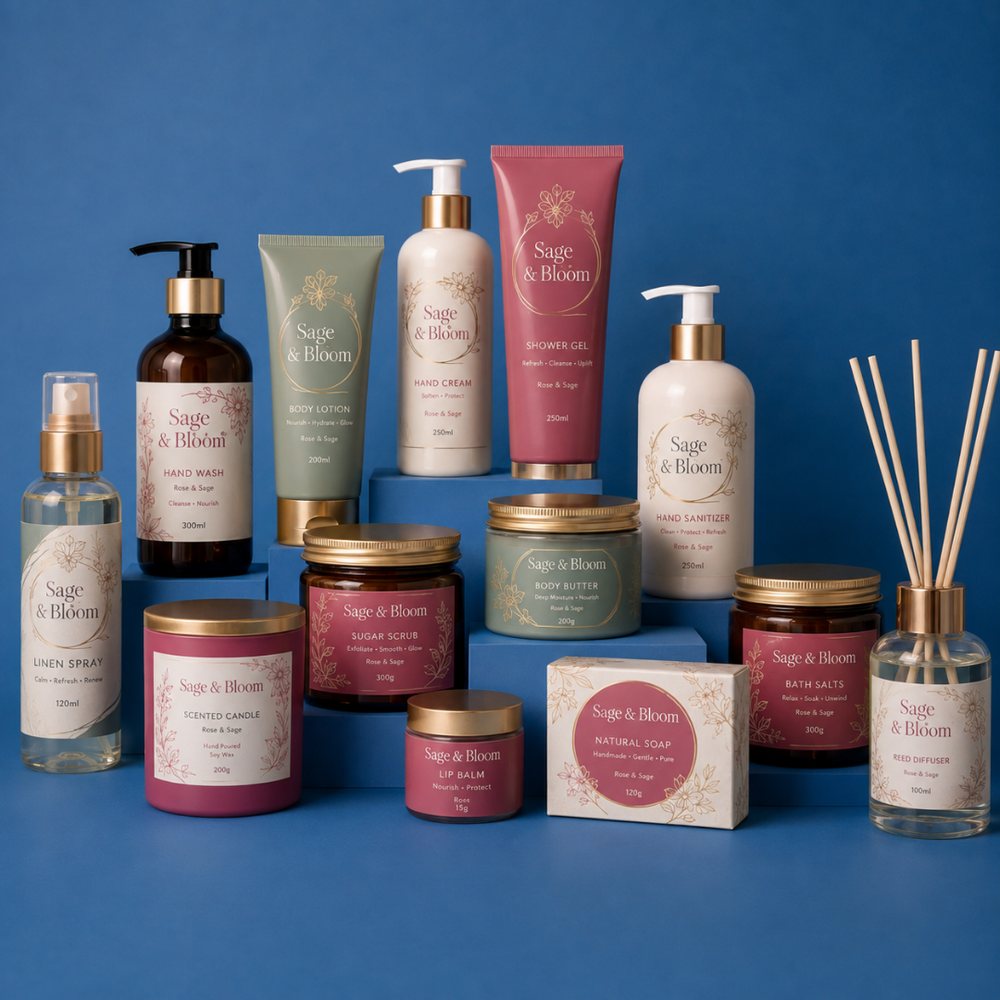
Synthetic stock, usually a vinyl or PP, is waterproof and tear-resistant. It costs more and is the default for cosmetics, beverages, cleaning products and anything going into a fridge or a shower.
Clear labels look premium on glass and give the no-label look, but they are unforgiving: any air bubble or misalignment is visible, and light-coloured artwork needs a white ink layer underneath or the contents will show through it.
Rolls or sheets
If you are applying by hand, sheets are easier to work with and cheaper in small quantities. If you are applying more than a few hundred, or ever plan to use an applicator machine, order on rolls and tell us the core size, roll direction and whether the labels should unwind face-out. Getting the wind direction wrong makes a correct label unusable on a machine.
Leave room for the things you will need later
Batch numbers, expiry dates, barcodes, net weight and regulatory marks are easy to forget at the design stage and impossible to add gracefully afterwards. Design the label with a clear zone for variable data, and decide whether it will be printed with the label or over-printed by you later.
Order a short test run and live with it for two weeks before printing a thousand. Nothing tells you more than a label that has been in a bag.
Bring us the container and a description of its life, and the material choice becomes straightforward. We print waterproof labels, die-cut stickers and seals on both sheets and rolls, in runs small enough to test with.
Shop Labels & Stickers
Packaging labels that survive the shelf.